
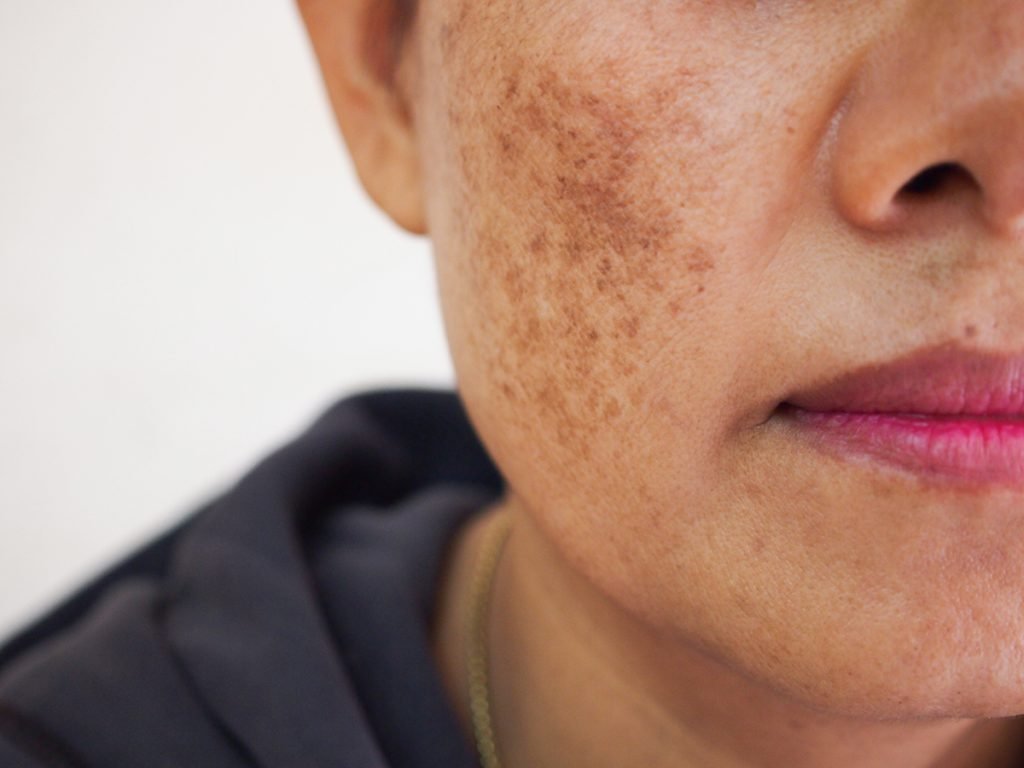
Pigmentation: Causes & Effective Treatment Options
Skin pigmentation is a common concern that leads to dark spots, uneven skin tone, and patches on the skin. It occurs due to excess production of melanin, the pigment responsible for giving color to our skin, hair, and eyes.
There are several causes of pigmentation, including prolonged sun exposure, hormonal changes, acne scars, aging, and certain medical conditions. Among these, sun damage is one of the most common factors that trigger pigmentation issues.
Preventing pigmentation starts with proper sun protection. Regular use of sunscreen helps control melanin production and protects the skin from further damage and darkening.
Treatment options for pigmentation vary depending on the severity and cause. Topical treatments such as vitamin C, retinoids, and skin-brightening creams can help lighten dark spots and improve overall skin tone.
Advanced dermatological procedures like chemical peels, laser therapy, and skin resurfacing are highly effective in treating stubborn pigmentation and achieving more even, clearer skin.
Maintaining a proper skincare routine along with a healthy lifestyle plays an important role in managing pigmentation and preventing its recurrence.
With the right combination of preventive care and expert treatments, it is possible to reduce pigmentation and restore a brighter, more even complexion.